
CBS Cancels Watson & DMV: What It Means for Comedy Pilots in 2026
Why CBS Canceled Watson And DMV, What Happens To CBS Comedy Pilots, Future Of Sitcoms In US And UK
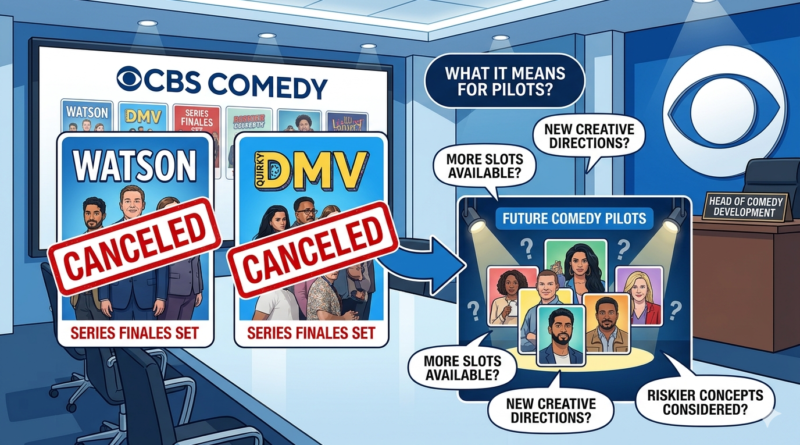
In a surprising move that has sparked conversations across the entertainment industry, has officially canceled Watson and DMV, with both shows set to conclude via planned series finales. While cancellations are nothing new in television, the timing and nature of these decisions carry broader implications especially for the network’s upcoming comedy pilots.
For viewers in the US and UK alike, this signals more than just the end of two shows it reflects a shift in how networks evaluate content, audience engagement, and long-term profitability.
Why Did CBS Cancel ‘Watson’ & ‘DMV’?
Although CBS has not provided an exhaustive breakdown, several industry factors likely contributed:
1. Ratings Pressure
Both Watson and DMV struggled to maintain strong, consistent viewership. In today’s competitive landscape where streaming platforms dominate traditional ratings still matter for ad-driven networks.
2. Cost vs. Return
Producing scripted television, especially comedies with ensemble casts, can be expensive. If a show fails to deliver strong advertising revenue, it becomes difficult to justify renewal.
3. Strategic Realignment
CBS appears to be refining its programming direction, focusing on shows with broader appeal or stronger streaming potential.
What Does a “Series Finale” Really Mean?
Unlike abrupt cancellations, both shows have been granted proper endings. This allows:
– Writers to wrap up storylines
– Fans to get closure
– The network to maintain goodwill
This approach is increasingly common as networks aim to retain audience trust.
Impact on CBS Comedy Pilots
The cancellation of Watson and DMV opens up valuable slots in CBS’s schedule creating both opportunities and challenges for upcoming comedy pilots.
More Room for New Content
With two shows exiting, CBS can introduce fresh concepts. This increases the chances for new pilots to be picked up.
Higher Standards for Approval
However, the bar is now higher. Pilots must demonstrate:
– Strong audience testing results
– Clear brand alignment
– Potential for multi-platform success (TV + streaming)
Shift Toward “Safe Bets”
CBS may lean toward:
– Reboots or spin-offs
– Proven creators and showrunners
– Familiar storytelling formats
What This Means for the Future of Network Comedy
1. Traditional Sitcoms Are Evolving
The classic multi-camera sitcom is gradually being replaced or reshaped by single-camera formats and hybrid storytelling styles.
2. Streaming Influence Is Growing
Even major networks like CBS are adapting to compete with platforms like Netflix and Prime Video.
3. UK vs US Audience Trends
– US audiences tend to favor long-running, character-driven sitcoms
– UK audiences often prefer shorter, tightly written series
CBS may increasingly adopt a hybrid model to appeal globally.
Industry Reactions
Media analysts suggest this move is part of a broader industry trend where networks:
– Reduce risk by limiting underperforming shows
– Invest in high-concept pilots
– Focus on cross-platform monetization
For deeper industry insights, you can explore reports from trusted sources like:
– Variety (https://variety.com)
– Deadline (https://deadline.com)
– The Hollywood Reporter (https://hollywoodreporter.com)
What Should Viewers Expect Next?
With these cancellations, viewers can anticipate:
– New comedy pilots announced soon
– Possible mid-season replacements
– Increased promotion of flagship shows
CBS is unlikely to leave gaps in its lineup for long.
Internal Linking Opportunities
– “Top Upcoming TV Shows in 2026”
– “Best CBS Series of All Time”
– “How TV Ratings Work in the Streaming Era”
– “US vs UK TV: Key Differences Explained”
FAQs
Why did CBS cancel Watson and DMV?
CBS likely canceled the shows due to low ratings, high production costs, and a shift in programming strategy.
Will Watson and DMV have proper endings?
Yes, both shows will conclude with planned series finales.
What happens to CBS comedy pilots now?
The cancellations create space for new pilots but also raise the standards for approval.
Is CBS moving away from comedy?
Not entirely. Instead, CBS is refining its comedy strategy to focus on more successful formats.
How does this affect viewers in the UK?
UK audiences may see fewer traditional US sitcoms and more globally appealing formats.
Conclusion
The cancellation of Watson and DMV marks a pivotal moment for CBS. While fans may be disappointed, the decision reflects broader changes in the television industry where adaptability is key.
For CBS, this is not just about ending two shows it’s about redefining its future. And for comedy pilots, it’s both an opportunity and a challenge: deliver something exceptional or risk being left behind.