Iran War Hormuz Crisis: Global Impact, Oil Prices & What It Means (2026 Guide)
Iran War & Strait of Hormuz Crisis: What You Need to Know
The growing tensions surrounding Iran and the strategic Strait of Hormuz have once again raised global concerns. For countries like the United States and the United Kingdom, the situation is not just a regional conflict it’s a potential trigger for economic instability, rising fuel costs, and global supply chain disruption.
In this detailed guide, we’ll break down what’s happening, why the Strait of Hormuz matters, and how it could affect everyday life in Western economies.
🌍 What Is the Strait of Hormuz and Why Is It Important?
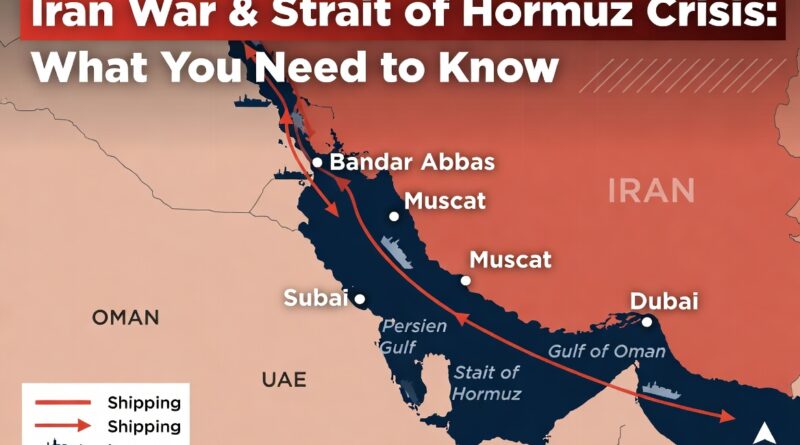
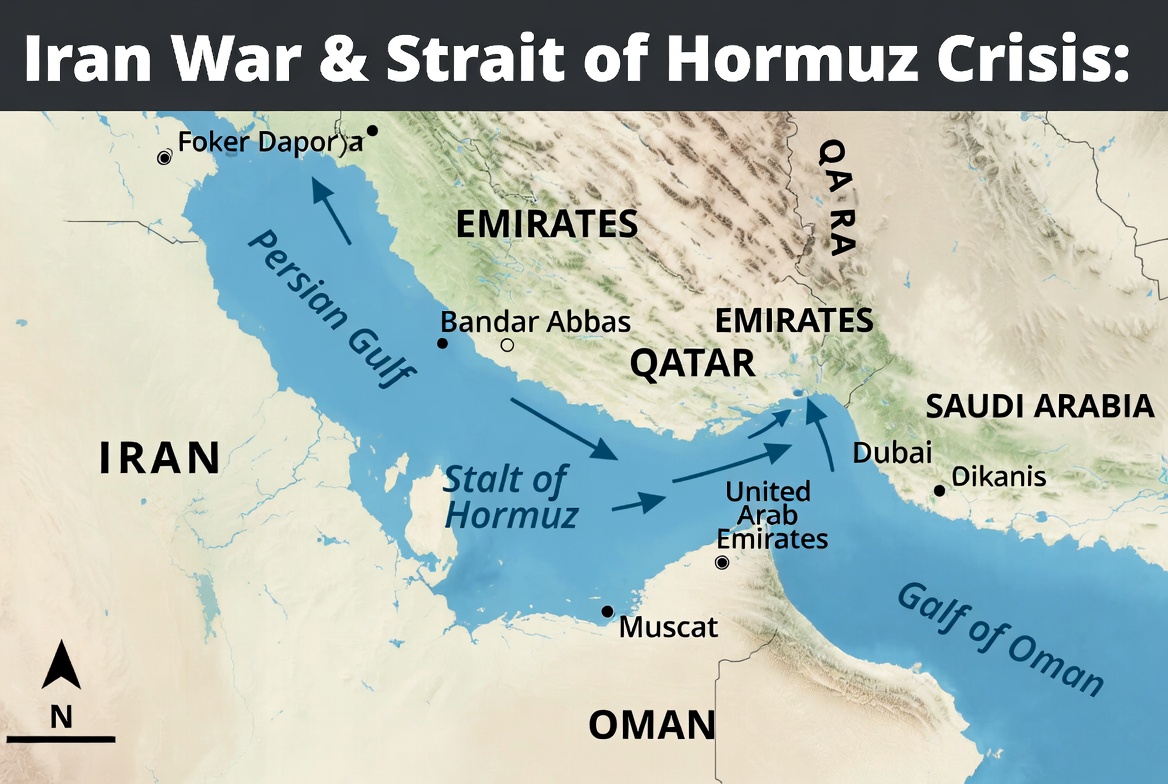
The Strait of Hormuz is one of the most critical maritime chokepoints in the world. Located between Iran and Oman, it connects the Persian Gulf to the open ocean.
- Around 20% of global oil supply passes through it daily
It serves major oil producers like Saudi Arabia, Iraq, and UAE
- Any disruption can send oil prices soaring globally
⚔️ What Is Happening Between Iran and the West?
Tensions between Iran and Western nations, particularly the US, have escalated due to:
- Military presence in the Gulf
- Sanctions imposed on Iran
- Disputes over nuclear programs
- Alleged attacks on oil tankers
These developments increase the risk of conflict that could directly affect the Strait of Hormuz.
👉 External Authority Link Suggestion:
Link to a reputable site like:
- BBC News (Middle East section)
- Reuters Energy News
(Use do-follow sparingly, mostly no-follow for safety)
🚢 Risk of a Hormuz Blockade
One of the biggest fears is that Iran could block or disrupt the Strait of Hormuz.
Possible Scenarios:
- Naval confrontation
- Mining of shipping lanes
- Seizure of oil tankers
- Cyber attacks on shipping infrastructure
Even a partial disruption can create panic in global markets.
💰 Impact on Oil Prices and Economy
For the United States:
- Higher gasoline prices
- Inflation pressure
- Strategic oil reserve usage
For the United Kingdom:
- Increased energy bills
- Pressure on imports
- Economic slowdown risks
Oil price spikes often ripple into:
- Food prices
- Transportation costs
- Manufacturing expenses
📦 Global Supply Chain Disruptions
The Strait of Hormuz doesn’t only affect oil. It impacts:
- Liquefied Natural Gas (LNG)
- Consumer goods shipping
- Industrial materials
When shipping routes are threatened:
- Insurance costs rise
- Delivery times increase
- Businesses pass costs to consumers
🛡️ Military & Security Response
The US, UK, and allies often respond by:
- Deploying naval forces
- Escorting oil tankers
- Increasing surveillance
This helps maintain stability but also raises the risk of direct confrontation.
📊 Long-Term Global Implications
If tensions continue, the world could see:
- Shift to alternative energy faster
- Diversification of shipping routes
- Increased investment in energy independence
Countries may reduce reliance on Middle Eastern oil altogether.
🔮 What Could Happen Next?
Experts suggest three likely outcomes:
- De-escalation – Diplomatic talks reduce tensions
- Controlled conflict – Limited strikes, no full war
- Major disruption – Severe impact on global economy
The situation remains unpredictable but highly sensitive.
❓ FAQs
1. Why is the Strait of Hormuz so important?
Because a significant portion of the world’s oil passes through it daily, making it vital to global energy supply.
2. Can Iran actually block the Strait?
Iran has the capability to disrupt it temporarily, but a full blockade would likely trigger international military response.
3. How does this affect people in the UK and US?
Mainly through higher fuel prices, inflation, and potential economic instability.
4. Will oil prices rise if tensions increase?
Yes, even small disruptions can cause major price spikes due to market uncertainty.
5. Is a full-scale war likely?
While possible, most analysts believe both sides aim to avoid full-scale war due to global consequences.